Is a Metal Roof Better Against Hail?
Metal resists hail damage better than asphalt shingles, but it can still dent, and cosmetic dents may not be covered.
Free to compare
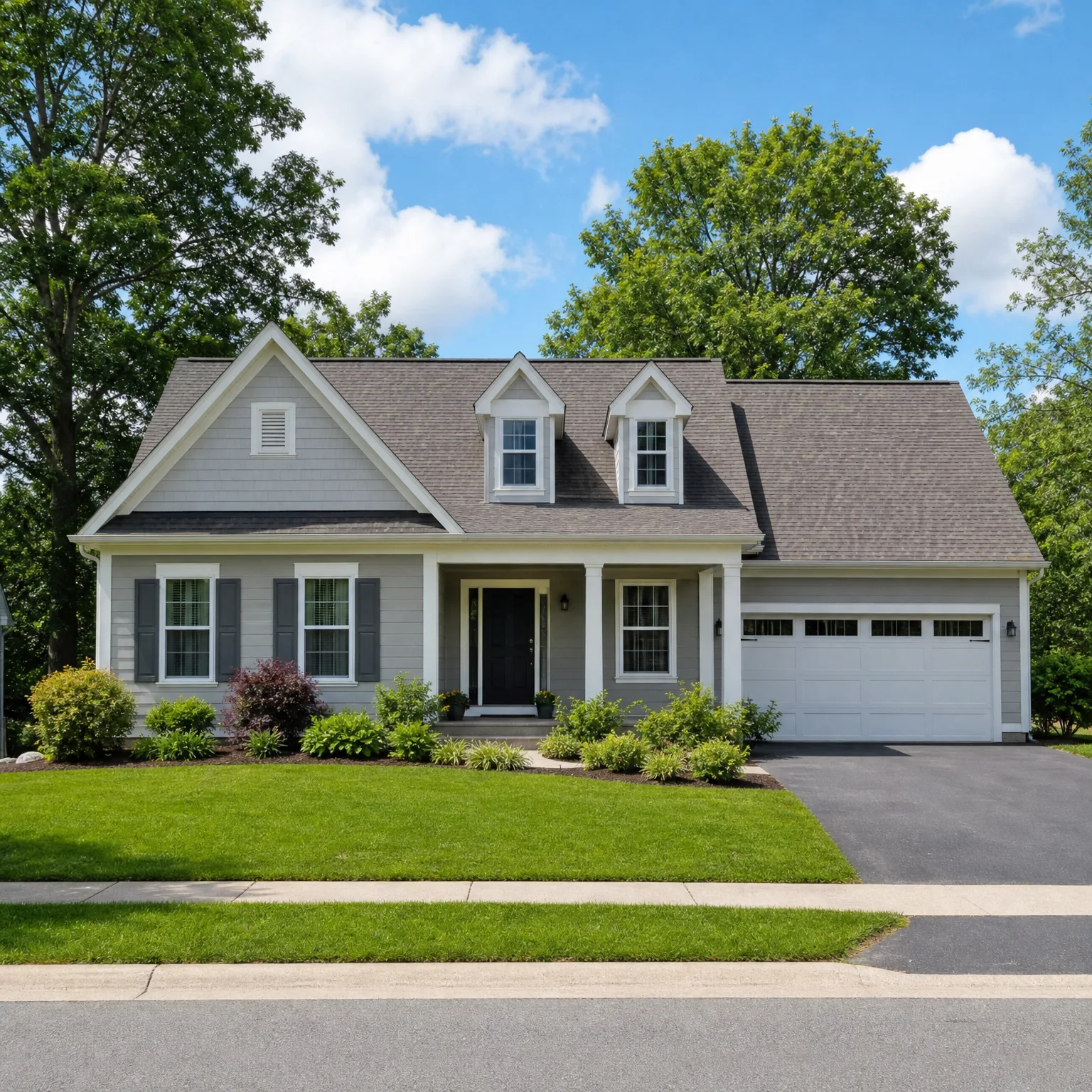
What matters for a claim is the dent itself, not whether the roof still works. Metal roofs rarely leak after hail, since the damage is usually cosmetic denting rather than a broken seal. Some policies pay to fix that denting, others only pay when hail punctures the roof or affects how it functions, and a growing number carry a cosmetic exclusion written specifically for metal roofing. Your declarations page or policy booklet will say which applies, and it is worth checking before a storm, not after one.
A roof with a cosmetic exclusion can leave you paying out of pocket for every dent, even on a newer roof, while another policy on a similar house pays for it in full. That difference does not show up in the price you pay each month, only in the wording. Comparing policies before the next storm is the only way to know which kind you would be left with.
Does a metal roof lower what you pay for home insurance?
Some insurers price a metal roof lower than asphalt shingles, because it tends to hold up better against wind and fire and usually lasts decades longer. Others price it the same or even higher, because metal roofing costs more to repair or replace, and a single dented panel can be expensive to match. There is no standard answer across insurers, so a lower premium is not something to assume just because the roof is metal.
The type of metal matters too. Standing-seam panels, the kind installed as large interlocking sheets, often handle hail better than metal shingles made to look like tile or shake, which have more seams and edges that can be forced up or separated by a strong impact. Thicker gauge panels resist denting better than thin ones. If a roof was installed with a Class 4 impact rating, which means it passed a standard test for resisting hail damage, that rating may qualify it for a discount. The product paperwork from the installation or the manufacturer will say whether it carries that rating.
Age and installation quality affect pricing as much as the material itself. An insurer may ask when the roof was installed and by whom, since a metal roof put on poorly can fail at the seams or fasteners in ways that have nothing to do with hail. Some insurers also want to know whether the roof was installed over the existing shingles or down to the deck, since that affects how it performs in wind.
The only way to know what a specific metal roof does to the price is to get a quote with that roof described accurately, including the type of panel, the gauge if known, and the impact rating if it has one. Comparing that quote against what the same house would cost to insure with an asphalt roof shows whether the metal roof is actually saving money, or whether the cosmetic exclusion discussed above is a trade made for a discount that may not be there at all.
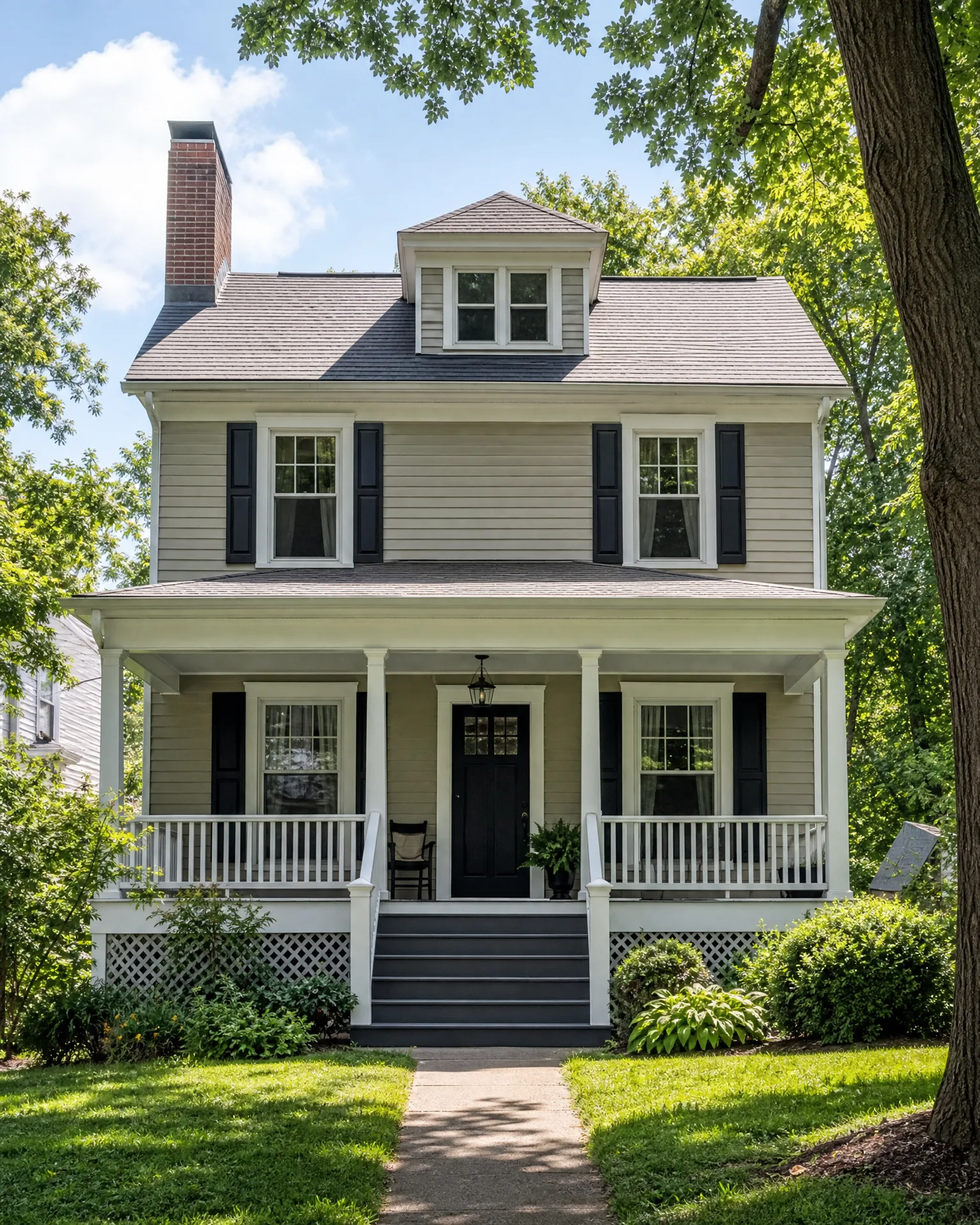
What should be done after hail hits a metal roof?
Photograph the roof as soon as it is safe to get a clear view, ideally from the ground with a zoom lens rather than climbing up, since dented panels can be sharp and unstable underfoot. Wide shots showing the whole slope and close-ups of individual dents both matter. Insurers and adjusters want to see the pattern of damage, not just one or two marks, because hail rarely hits a single spot and leaves the rest alone.
Check gutters, downspouts, vents, and any flashing around chimneys or skylights, since these softer metal pieces often show hail impact more clearly than the roof panels themselves and can support a claim even when the roofing material is holding up well. Siding and window screens on the side of the house facing the storm sometimes carry the same kind of marks and are worth photographing too.
Call to file a claim before doing any repairs, and before a roofing contractor who showed up uninvited convinces otherwise. Storms bring door-to-door contractors who push for quick signatures on repair contracts, sometimes before an adjuster has even seen the roof. A homeowner who signs one of these before filing a claim can end up locked into a contractor the insurer did not choose and a price that was never reviewed. It costs nothing to wait a few days for the claims process to start properly.
An adjuster will usually inspect the roof in person, sometimes with a drone, and may test a sample area with chalk to mark hail hits before deciding whether the damage meets the policy's threshold for payment. If the policy carries a cosmetic exclusion, the adjuster may document the dents but deny payment for them while still covering any punctures or functional damage found elsewhere. Reading the claim decision carefully, and asking what it was based on, is the only way to know whether it matches what the policy actually promises.

Before the next storm
Find your policy's wording on cosmetic roof damage, usually in the declarations page or a separate endorsement. If it excludes cosmetic dents, compare quotes now to see what a policy without that exclusion would cost.